
Best Teeth Whitening Solutions
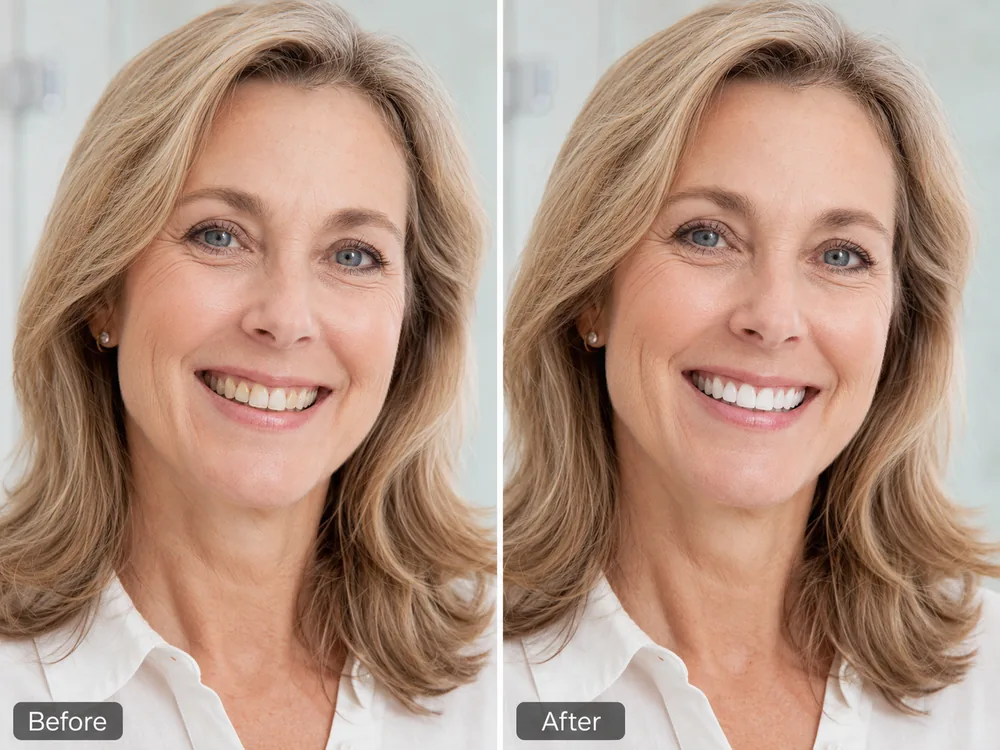
Teeth whitening can improve the appearance of stains caused by coffee, tea, tobacco, aging, and other everyday factors, but the best method depends on the type of discoloration and the condition of the teeth. Options range from inexpensive whitening toothpastes and strips to customized trays and professional treatment. Safe whitening begins with realistic expectations and products used exactly as directed.
Start With a Dental Checkup
A dental examination is a sensible first step before beginning any whitening treatment, particularly when discoloration is uneven or accompanied by pain, sensitivity, cavities, receding gums, or damaged dental work. Whitening products do not repair decay or gum disease, and applying bleaching agents to unhealthy teeth can increase discomfort. A dentist can also determine whether staining is likely to respond to bleaching or whether another cosmetic treatment would be more suitable. (ADA)
Whitening works best on natural teeth with common external stains or age-related yellowing. Crowns, veneers, fillings, bridges, and dentures generally do not lighten in the same way as natural enamel, which can leave restorations looking darker after surrounding teeth are whitened. Gray, brown, or deeply discolored teeth may also respond less predictably, particularly when the color change originated inside the tooth rather than on its surface.
Whitening Toothpaste for Surface Stains
Whitening toothpaste is one of the least expensive and easiest options, but it usually removes surface stains rather than significantly changing the natural color of a tooth. These products commonly rely on polishing or mildly abrasive ingredients, and some also include small amounts of peroxide. They can be useful for maintaining results after bleaching or gradually reducing staining from coffee and tea, but they are unlikely to produce a dramatic transformation.
Care is needed with highly abrasive products because aggressive brushing or long-term overuse may wear tooth surfaces and aggravate sensitivity. A fluoride toothpaste remains important for cavity prevention, regardless of whether whitening is a priority. The National Institute of Dental and Craniofacial Research recommends brushing twice daily with fluoride toothpaste and cleaning between the teeth as the foundation of oral health. (NIDCR)
Whitening Strips for Affordable Bleaching
Whitening strips are often the strongest over-the-counter option for people seeking a visible color change without paying for professional treatment. Most use hydrogen peroxide or a related bleaching agent held against the teeth for a specified period each day. Clinical evidence supports the effectiveness of whitening strips, although results develop more gradually than with stronger treatments performed in a dental office. (ADA)
The strips work most evenly when they remain in close contact with the visible tooth surfaces, but they may have difficulty reaching crooked, rotated, or recessed teeth. Uneven positioning can create inconsistent results, and contact between the gel and gums may cause temporary irritation. Products carrying the ADA Seal of Acceptance have submitted evidence supporting safety and effectiveness when used according to their instructions. (ADA)
Dentist-Supplied Trays for More Control
Custom whitening trays supplied by a dentist offer a middle ground between drugstore products and chairside treatment. The trays are made to fit the teeth closely and hold a hydrogen peroxide- or carbamide peroxide-based gel in a controlled position. Treatment is typically completed at home over a period determined by the dentist, allowing the strength, wear time, and schedule to be adjusted around sensitivity and the desired result.
The close fit can provide more even coverage than generic trays, particularly for people with irregular tooth alignment. Dentist supervision is also valuable when previous whitening has caused discomfort or when existing dental work complicates color matching. These systems cost more than strips, but they can be reused for later touchups if the trays continue to fit properly.
Professional Whitening for Faster Results
In-office whitening generally provides the fastest and most noticeable results because dental professionals can use higher-concentration bleaching agents while protecting the gums and other soft tissues. Treatment may involve one longer appointment or several shorter visits, depending on the system and the starting tooth color. Professional whitening is often preferred when an important event is approaching or when previous over-the-counter treatments have produced limited improvement.
Faster treatment does not eliminate the possibility of side effects. Concentrated peroxide can cause temporary tooth sensitivity, and accidental contact with the gums can create irritation or chemical burns. Protective barriers, careful application, and professional monitoring are therefore important parts of chairside treatment. (MayoClinic)
Consider Sensitivity Before Choosing a Product
Temporary tooth sensitivity and gum irritation are the most common problems associated with whitening. Sensitivity can occur when peroxide passes through the enamel and reaches the underlying dentin, temporarily making the tooth more responsive to cold air, drinks, or food. Symptoms often improve after treatment stops, but persistent or severe sensitivity should be evaluated by a dentist. (MayoClinic)
A slower schedule, shorter application time, or lower-concentration product may improve tolerability. Desensitizing toothpaste can also be helpful when recommended by a dental professional. Using extra gel, leaving a product on longer than directed, or whitening more frequently does not guarantee better results and can increase the chance of enamel changes, gum irritation, and a translucent appearance caused by overuse. (ADA)
Be Cautious With Unproven Home Remedies
Online whitening remedies frequently recommend lemon juice, vinegar, charcoal, baking soda mixtures, or other abrasive and acidic ingredients. Some may temporarily remove surface deposits, but acids can soften enamel and abrasive powders can wear it away. Enamel loss is permanent and may eventually make teeth look more yellow because the darker dentin underneath becomes more visible.
Unlicensed whitening services should also be approached cautiously. Whitening performed outside a licensed dental setting may involve poorly controlled chemicals, limited screening for oral disease, and inadequate protection of the gums. Dental professionals have warned that improper whitening can contribute to gum damage, heightened sensitivity, root irritation, infection, and other complications. (ADA)
Maintain Results Without Constant Bleaching
Whitening is not permanent because teeth remain exposed to staining foods, drinks, and tobacco. Results generally last longer when dark beverages are consumed less frequently, the mouth is rinsed with water afterward, and routine brushing and professional cleanings are maintained. Drinking coffee or tea through a straw may reduce contact with the front teeth, although it does not eliminate staining completely.
The best teeth whitening solution is the one that produces an acceptable result without creating unnecessary sensitivity or damaging oral health. Whitening toothpaste can help with mild surface stains, strips offer an affordable bleaching option, custom trays improve control, and professional treatment provides the fastest change. Matching the method to the teeth—and involving a dentist when discoloration or sensitivity is complicated—offers a safer path to a brighter smile.