
How to Choose a Mattress for Back Pain
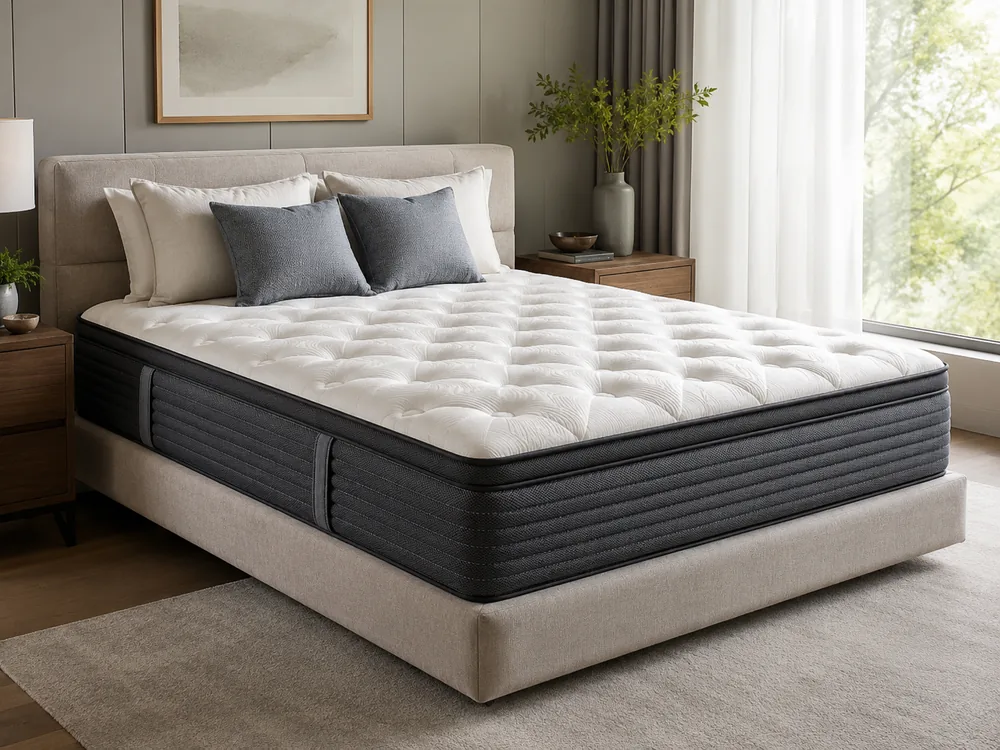
A mattress cannot cure most causes of back pain, but the wrong sleep surface can aggravate discomfort and make restorative sleep harder to achieve. The best choice should support the spine while cushioning pressure points without allowing the body to sag excessively. Firmness, sleeping position, body weight, materials, and the opportunity to test the mattress all matter more than any single brand or marketing claim.
The traditional advice that people with back pain should automatically choose the firmest possible mattress is not strongly supported by research. A randomized controlled trial involving people with chronic, nonspecific lower-back pain found that medium-firm mattresses produced better outcomes for pain and disability than firm mattresses. Later reviews have generally reached a similar conclusion, although they also note that the available evidence is limited and that no single firmness level works for everyone. (NIH.gov)
Begin With Medium-Firm Support
Medium-firm is usually the most practical starting point because it combines structural support with enough cushioning to accommodate the natural curves of the body. A mattress that is too hard may create uncomfortable pressure around the shoulders, hips, or lower back, while one that is too soft may allow the pelvis to sink and place the spine in an awkward position. A systematic review found that medium-firm mattresses generally promoted comfort, sleep quality, and spinal alignment, but personal testing remains important because mattress firmness labels are not standardized across manufacturers. (NIH.gov)
Support and firmness are related but not identical. Firmness describes how hard or soft the surface feels, while support refers to how well the mattress keeps the body from sinking unevenly. A softer comfort layer can still sit over a highly supportive core, just as a hard-feeling mattress can provide poor support if it has deteriorated or developed deep impressions. The goal is a surface that allows the shoulders and hips to settle slightly while keeping the middle of the body from dropping far enough to twist the lower spine.
Sleeping position can help determine how much cushioning is appropriate. Side sleepers generally need enough surface give to accommodate the shoulders and hips, while back sleepers often benefit from balanced support that maintains the lower back’s natural curve. Stomach sleeping may place additional strain on the back because the midsection can sink and increase spinal extension, so people who regularly sleep this way may prefer a somewhat firmer surface or may need to experiment with a different position.
Account for Body Weight and Pressure Relief
Body weight changes how a mattress feels. A lighter person may barely compress a mattress labeled medium-firm and experience it as quite hard, while a heavier person may sink much farther into the same model. Couples with substantially different body sizes or firmness preferences may benefit from a mattress with zoned support, adjustable air chambers, or separate firmness levels on each side.
Pressure relief is particularly important when back pain occurs alongside arthritis, hip discomfort, shoulder pain, or reduced mobility. Memory foam and latex can contour around pressure points, while hybrid mattresses combine cushioning layers with an innerspring support system. No material is universally best for back pain, and available research does not establish that foam, latex, springs, or hybrid construction is inherently superior in every case. The quality of the design and how it responds to an individual body are more important than the material category alone. (NIH.gov)
Edge support can also matter, especially for older adults or anyone who finds getting into and out of bed difficult. A mattress with a stable perimeter is less likely to collapse when weight is placed near the edge, making transfers feel more controlled. Mattress height should also be considered because a very low bed can require deep bending, while an excessively high one may make it difficult to place both feet securely on the floor.
Test the Mattress Under Realistic Conditions
A brief showroom test rarely reveals whether a mattress will reduce morning pain. Lying on a model for several minutes can help eliminate obviously uncomfortable choices, but the body may need several nights or weeks to adjust to a new sleep surface. A home trial with a clear return or exchange policy is therefore one of the most valuable features available when shopping. Mayo Clinic notes that the ideal firmness varies by person and recommends selecting a mattress based on individual comfort and support needs rather than assuming that firm is always better. (MayoClinic.org)
During the trial period, morning symptoms are often more useful than first impressions at bedtime. Increasing stiffness, new pressure-point pain, numbness, or discomfort that consistently improves after getting out of bed may indicate that the sleep surface is contributing to the problem. It can help to keep a short record of pain levels, waking frequency, sleep position, and how the back feels during the first hour of the day.
The base beneath the mattress should be checked as well. A worn foundation, broken slats, or inadequate center support can cause even a new mattress to sag. Visible depressions, uneven areas, or a persistent tendency to roll toward the center may suggest that the existing mattress or foundation is no longer providing uniform support.
Use Pillows to Improve Alignment
Mattress selection works best when pillows support the chosen sleeping position. Back sleepers may find that placing a pillow beneath the knees reduces tension and helps preserve the lower back’s curve. Side sleepers can place a pillow between the knees to keep the hips and pelvis more evenly aligned, while the head pillow should fill the space between the shoulder and neck without pushing the head sharply upward. (MayoClinic.org)
A mattress purchase should not replace medical evaluation when pain is persistent, severe, worsening, or accompanied by neurological symptoms. Urgent assessment is important when back pain occurs with weakness or numbness in both legs, loss of sensation around the groin, changes in bladder or bowel control, chest pain, or a serious accident. Most routine back pain improves with time and appropriate activity, but warning signs require more than a change in bedding. (NHS.uk)
The most suitable mattress for back pain is usually neither extremely hard nor deeply soft. A supportive medium-firm model with adequate pressure relief, stable edges, and a generous home trial provides a sensible place to begin. Careful testing, attention to sleep position, and realistic expectations can make the purchase more effective than relying on labels such as “orthopedic” or choosing the firmest mattress in the store.